Exploring the Role of Landscaping in Water Management
In today’s world, effective water management is more critical than ever. With changing climate patterns causing unpredictable rainfall, homeowners face challenges like drainage issues and soil erosion. One solution that has gained popularity is incorporating specific landscaping techniques to manage these problems. By understanding how landscape design impacts water flow, we can make informed decisions that protect our properties while enhancing their visual appeal.
The Benefits of Strategic Design for Water Flow
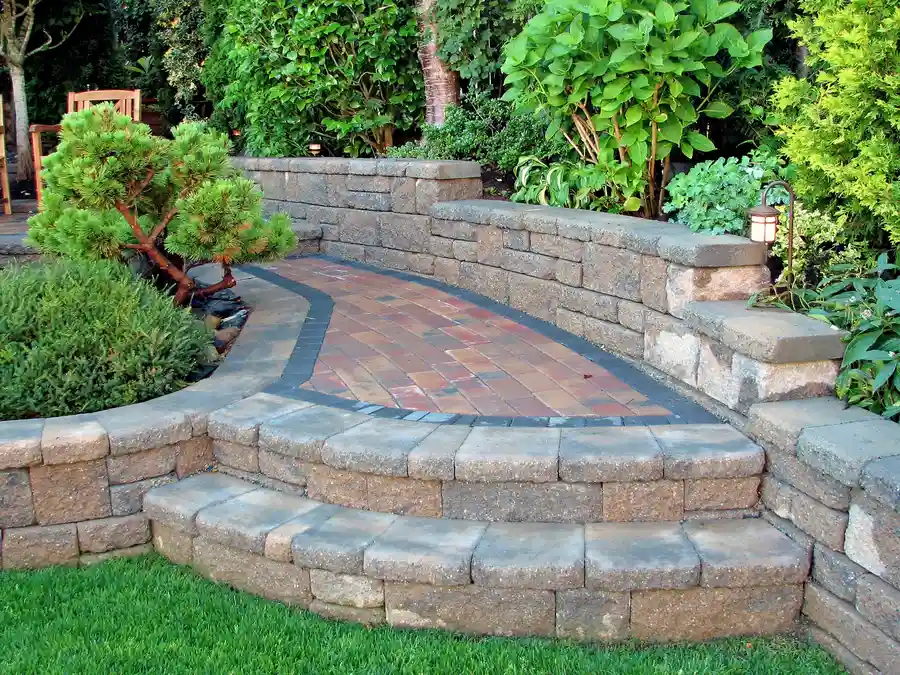
Strategically designed landscapes play a key role in managing rainwater. By directing water away from vulnerable areas, it helps prevent flooding and reduces erosion. Thoughtful placement of pathways, patios, and retaining walls can guide water flow effectively. This not only protects your garden but also minimizes the risk of structural damage to your home.
How Hardscaping Protects Your Land
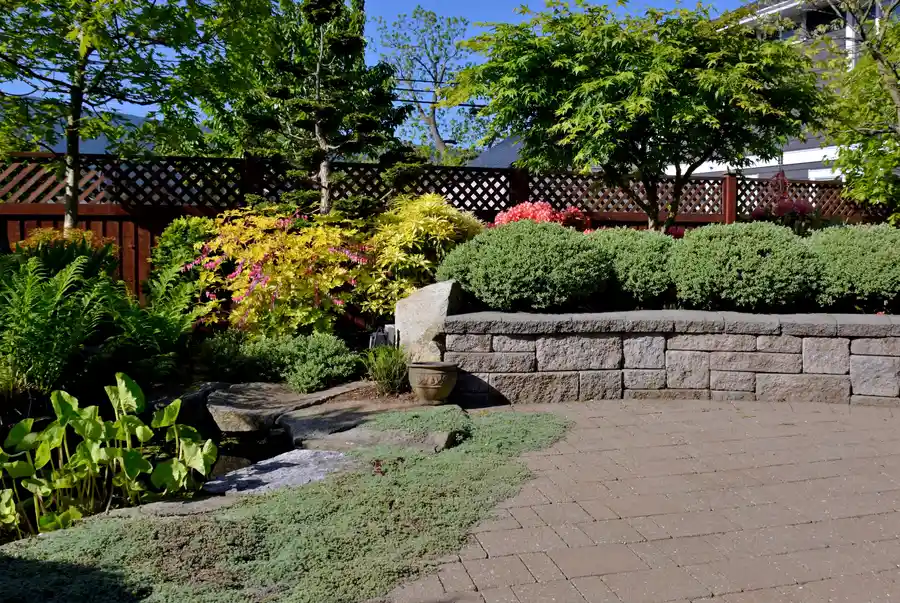
Implementing hard elements such as stone or concrete surfaces, known as hardscaping, significantly enhances water management. These features limit the amount of exposed soil, minimizing erosion caused by heavy rains. Paving stones, driveways, and terraces provide stable ground that absorbs less water, channeling runoff to designated drains.
Using Hard Materials to Prevent Erosion
Another benefit of hardscaping is its ability to stabilize sloped areas prone to erosion. Terracing steep slopes with stone walls or using gravel paths can help anchor the soil. These barriers slow down water movement, reducing the chance of washouts and soil displacement. It’s an effective way to keep your landscape intact.
Common Challenges in Landscape Design
While landscaping offers numerous benefits, some challenges come with improper implementation. Poorly designed systems might direct water towards unwanted areas, leading to puddles or foundation damage. Selecting inappropriate materials can also exacerbate problems rather than solving them. Understanding these pitfalls is crucial before starting any project.
Best Practices for Effective Solutions
To ensure successful outcomes, adhere to best practices in designing your landscape:
- Analyze your property for natural water flow patterns.
- Select materials that suit your climate and soil type.
- Use proper grading techniques to facilitate water movement.
- Consult professionals if you’re unsure about complex projects.
Understanding Industry Standards and Requirements
It’s important to familiarize yourself with local regulations when planning landscaping projects. Many regions have guidelines on water conservation and erosion prevention. Adhering to these standards ensures compliance and maximizes the effectiveness of your efforts. Meeting regulatory requirements can save you from future headaches related to permits and inspections.
Cost Considerations for Landscaping Projects
The cost of implementing a well-designed landscape varies based on factors like material choice and project scope. While initial expenses might seem high, the long-term savings from reduced maintenance and prevented damage are significant. Investing in quality solutions offers a good return on investment (ROI) by preserving your property’s value.
Final Recommendations for Optimizing Your Landscape
Your outdoor space should be both beautiful and functional. By combining thoughtful design with practical solutions, you optimize drainage and minimize erosion risks. Reach out to Alex Landscaping Services at (301) 259-3884 for expert advice and planning services tailored to your needs. Our team in Beltsville, MD is dedicated to transforming landscapes into sustainable environments that meet all your goals.