Understanding How Mulch Benefits Your Garden’s Health
Mulch is an essential component for maintaining a healthy garden. It plays a vital role in enhancing soil structure and fertility. By using mulch, you can improve moisture retention, reduce erosion, and suppress weeds. These benefits lead to healthier plants and a more sustainable gardening practice. The right type of mulch can significantly influence plant growth, making it crucial to understand its various functions and types.
Benefits of Using Mulch for Your Soil
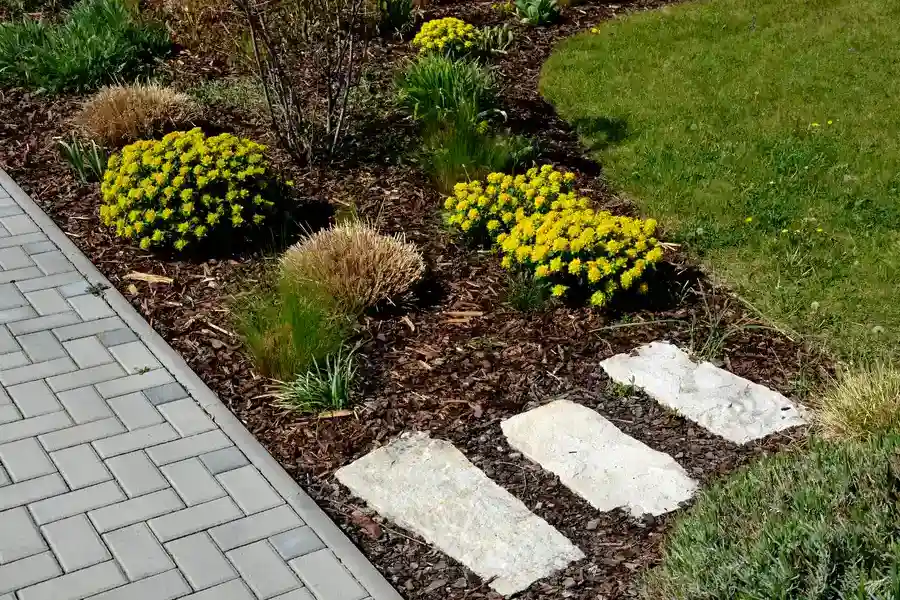
One major benefit of mulch is that it helps retain soil moisture. By covering the soil, mulch reduces evaporation and keeps the ground cooler. This is especially beneficial during hot summer months when water conservation becomes a priority. Additionally, organic mulches decompose over time, adding nutrients back into the soil. This decomposition process enriches the soil with necessary elements like nitrogen, potassium, and phosphorus.
Enhancing Soil Structure Through Mulching
Mulching also improves soil structure by promoting microbial activity. As organic mulch breaks down, it creates a habitat for beneficial organisms such as earthworms and bacteria. These organisms help aerate the soil and break down complex materials into simpler nutrients. As a result, the overall soil structure becomes looser and more fertile, allowing plant roots to grow deeper and stronger.
Challenges in Choosing the Right Mulch
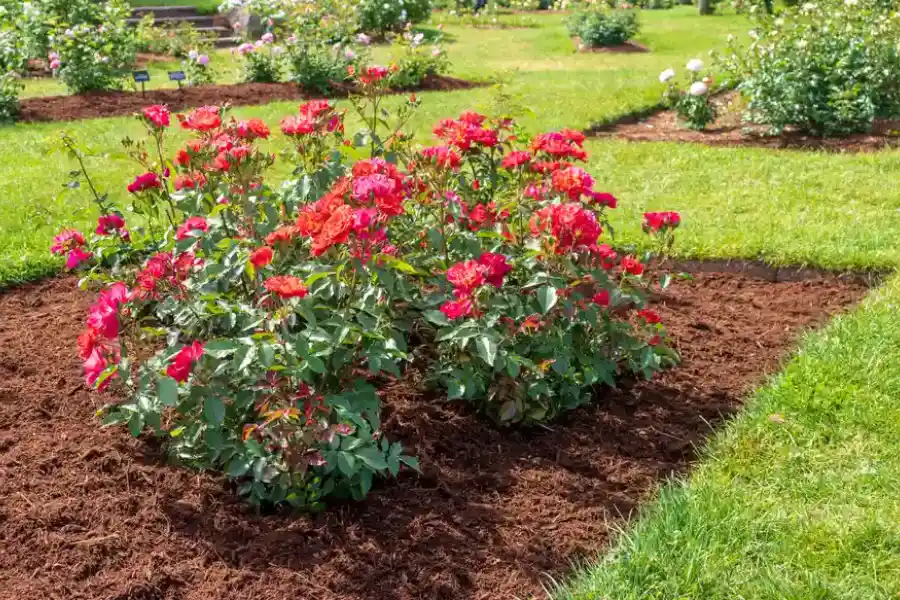
Choosing the right mulch can be challenging due to the variety available. Some common types include wood chips, straw, grass clippings, and shredded leaves. Each type has its pros and cons, depending on your garden’s needs. For example, wood chips are long-lasting but may require additional nitrogen during decomposition. On the other hand, straw quickly decomposes but may harbor weed seeds if not properly treated.
- Wood chips: Long-lasting but slow to decompose
- Straw: Quick to decompose; ensure it’s weed-free
- Grass clippings: Nutrient-rich but can compact easily
- Shredded leaves: Good for improving soil texture
Best Practices for Applying Mulch
For effective results, apply mulch at the beginning of the growing season or before extreme weather conditions. A layer about 2-4 inches thick is generally recommended to achieve the best outcomes. Avoid piling mulch against plant stems to prevent rot and pests. Instead, leave a small gap around each plant base. Regularly check your mulch layer throughout the season to ensure it remains effective.
Cost Considerations When Investing in Mulch
The cost of mulch can vary based on material and quantity needed. Organic mulches tend to be more affordable than synthetic options. While initial costs may seem high, consider the long-term savings from reduced water usage and improved plant health. Proper mulching can enhance your garden’s productivity, leading to better yields and less money spent on fertilizers.
Your Path to a Healthier Garden With Mulch
If you aim to boost your garden’s health and longevity, incorporating mulch into your routine is a wise choice. Contact Alex Landscaping Services for expert advice on selecting the right mulch for your needs. Located in Beltsville, MD, we specialize in offering customized solutions that fit any garden size or type. Reach out to us at (301) 259-3884 today to learn how our products can transform your soil structure and fertility.